How Often To Clean Sewer Line​

Table of Contents

TLDR

Most sewer lines should be cleaned every 18 to 22 months. Older homes, commercial properties, or areas with heavy tree roots often require yearly cleaning to avoid backups and costly repairs.

Why Sewer Line Cleaning Matters
Why Sewer Line Cleaning Matters

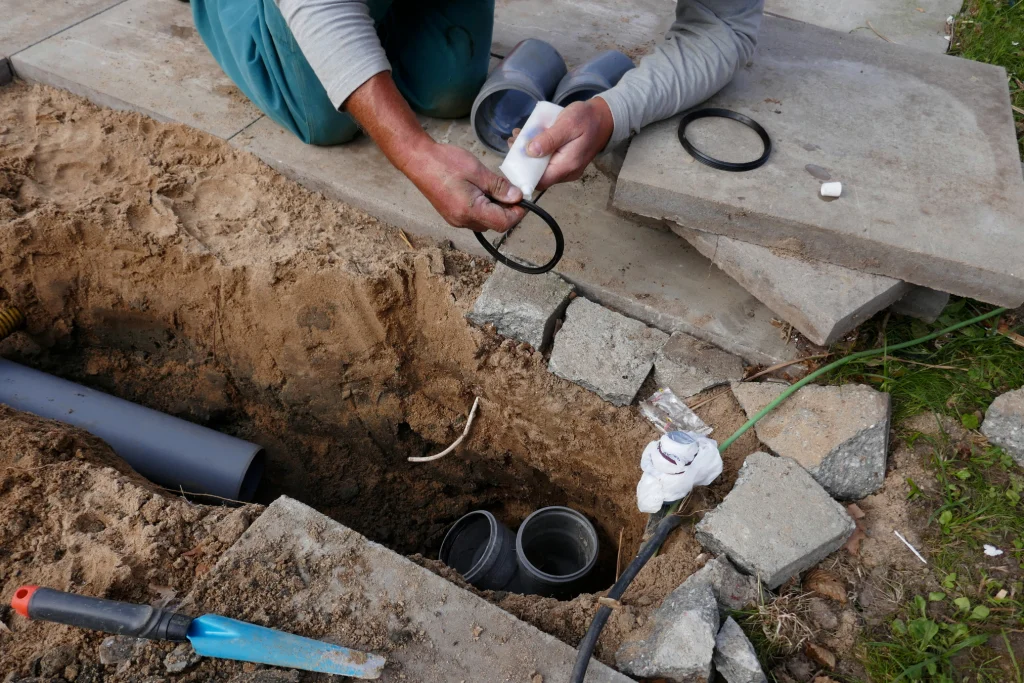
Sewer line cleaning is not optional maintenance. It prevents clogged drains, sewer backups, foul odors, and costly plumbing damage. When left unmaintained, buildup and root intrusion lead to emergencies that require expensive repairs. Regular cleaning ensures your system works as designed and extends the lifespan of your plumbing.

Recommended Frequency for Sewer Line Cleaning
Recommended Frequency for Sewer Line Cleaning

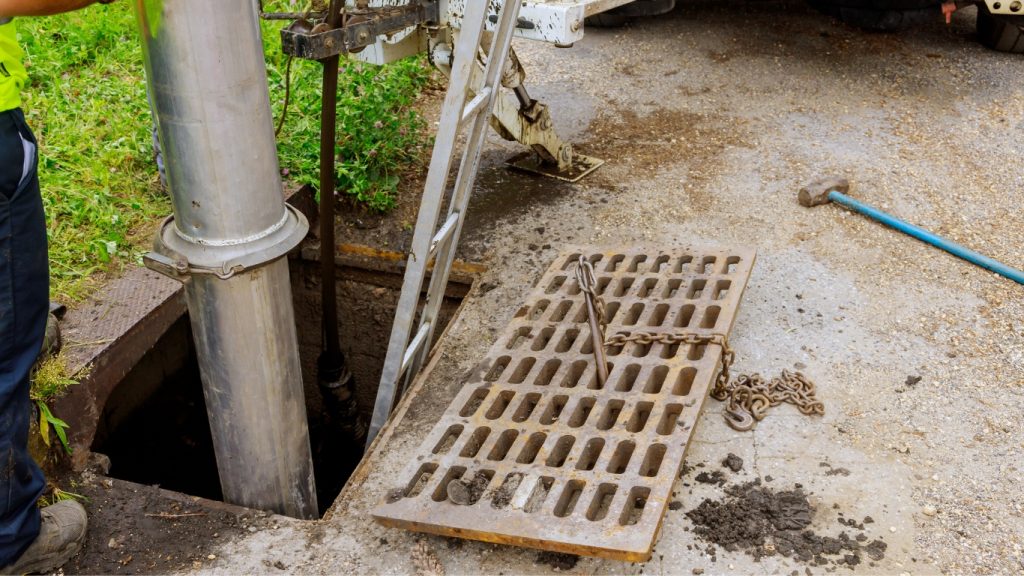
For most properties, the recommended schedule depends on use, location, and pipe condition.

  • Residential homes: Clean every 18 to 22 months to prevent clogs and odors.

  • Older homes with clay or cast-iron pipes: Clean every 12 months due to higher risk of root intrusion and corrosion.

  • Commercial properties: Clean every 6 to 12 months since restaurants, apartments, and offices generate higher waste loads.

  • Tree-heavy areas: Clean every 12 months since roots are a leading cause of blockages.

Sewer Solutions advises customers to schedule inspections alongside cleanings. A camera inspection can confirm if pipes are clear or if cleaning is needed sooner.

Signs Your Sewer Line Needs Cleaning Sooner
Signs Your Sewer Line Needs Cleaning Sooner

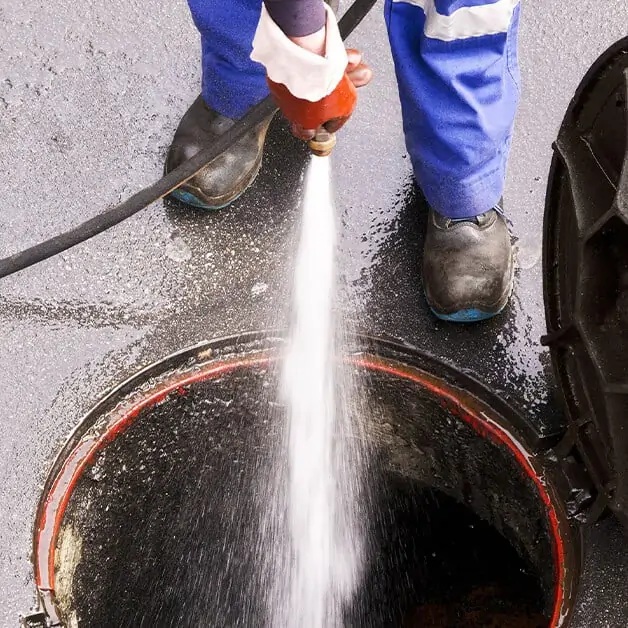
You do not always have the luxury of waiting for the scheduled cleaning. Look for warning signs:

  • Slow draining sinks, tubs, or showers


  • Toilets that gurgle or bubble


  • Standing water in floor drains


  • Foul sewage odors inside or outside


  • Recurring clogs after temporary fixes


These symptoms mean your sewer line is already stressed. Immediate cleaning by a professional plumber is the safest option.

Methods Used to Clean Sewer Lines
Methods Used to Clean Sewer Lines

Professional plumbers use proven methods depending on the severity of the blockage.

  • Snaking: A drain auger clears minor clogs. Best for small blockages or early buildup.
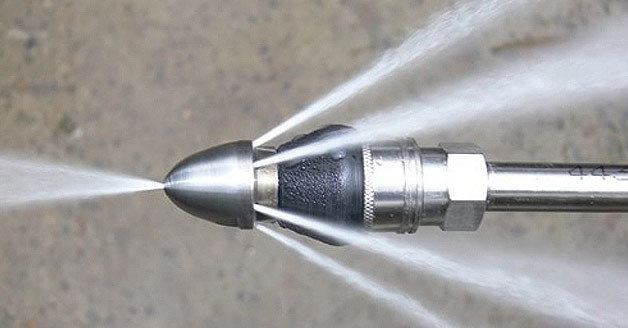
  • Hydro jetting: High-pressure water blasts away grease, sludge, and tree roots. This is the most effective long-term method to get rid of tree roots in sewer line blockages and keep pipes flowing freely.
  • Camera inspection: Used before or after cleaning to assess pipe condition and confirm removal of blockages.

DIY approaches often use consumer-grade snakes or chemical drain cleaners. These methods are temporary and can damage pipes if misused. Sewer Solutions recommends professional cleaning for safety and long-term results.

Factors That Affect Sewer Cleaning Frequency
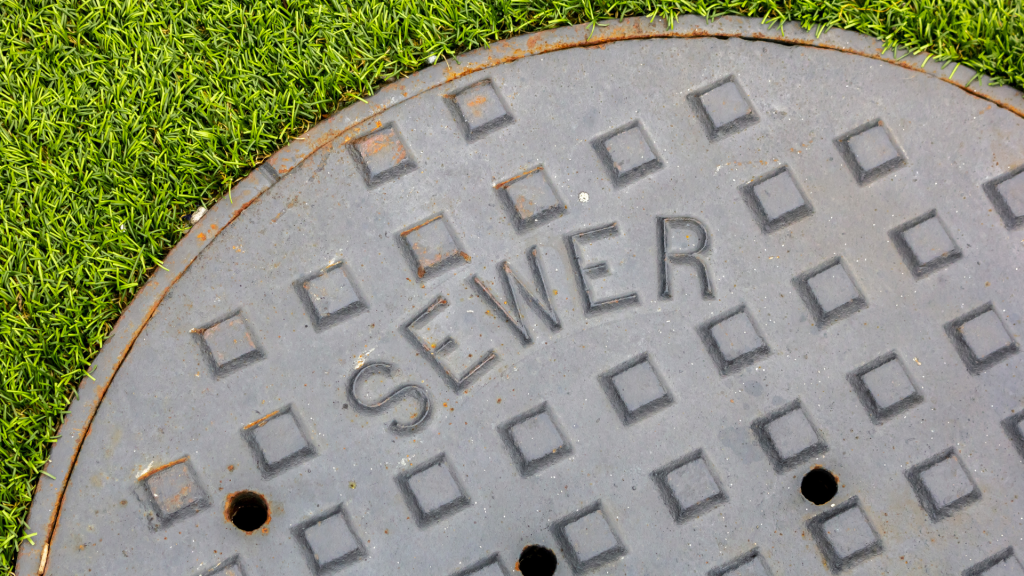
Factors That Affect Sewer Cleaning Frequency

Every property is different. Frequency depends on several factors:

  • Pipe material: Clay and cast iron are more prone to root intrusion than PVC.


  • Age of system: Older homes require more frequent cleaning.


  • Number of occupants: Larger households or buildings generate more waste.


  • Usage habits: Frequent use of garbage disposals, dishwashers, and washing machines increases buildup.


  • Grease and debris: Improper disposal habits accelerate clogs.


These lifestyle and property-specific factors should be considered when setting your maintenance schedule.

How Much Does Sewer Line Cleaning Cost in Louisiana
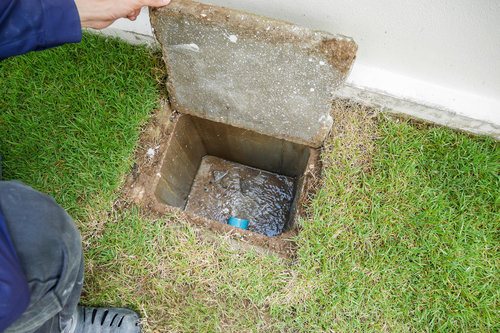
How Much Does Sewer Line Cleaning Cost in Louisiana

Cost varies by method, severity, and location. In Louisiana, homeowners and businesses typically pay:

  • Snaking: $100 to $300 for simple clogs
  • Hydro jetting: $350 to $600 for thorough cleaning
  • Camera inspection add-on: $100 to $250

In Baton Rouge or New Orleans, costs trend higher due to older infrastructure and soil conditions that encourage root growth. For homeowners comparing options, our sewer line repair cost guide provides a helpful breakdown of what to expect when cleaning turns into more extensive repairs. Sewer Solutions provides upfront estimates so there are no surprises.

DIY vs Professional Sewer Line Cleaning
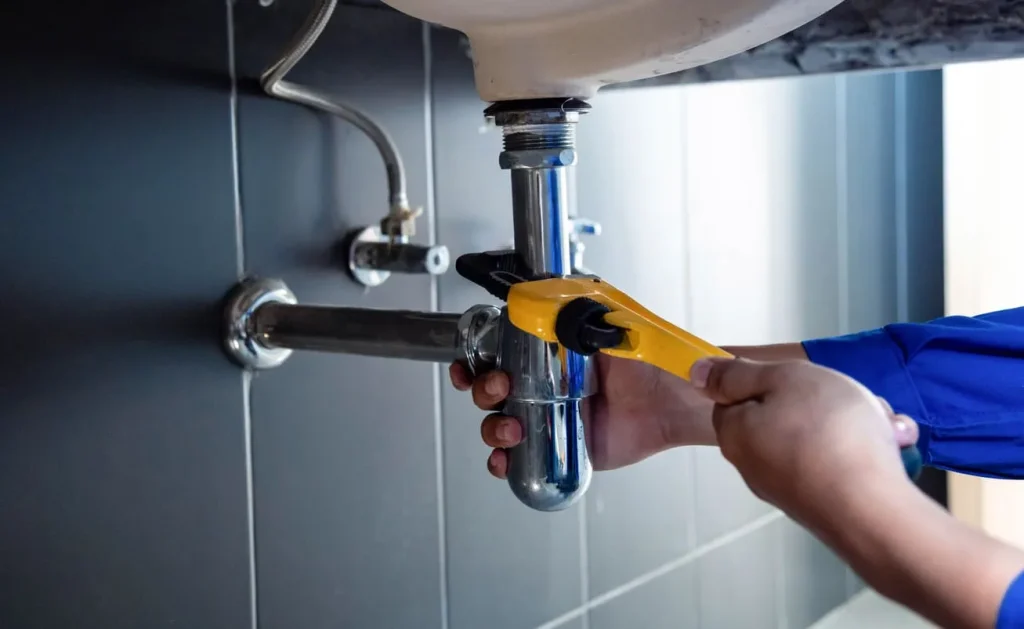
DIY vs Professional Sewer Line Cleaning

Homeowners often ask if they can clean their own sewer line. While possible, there are risks.

  • DIY: Cheaper in the short term, but chemical cleaners damage pipes and rental snakes often fail to remove full blockages. Missed buildup leads to faster reoccurrence.

  • Professional service: Uses advanced tools like hydro jetters and cameras. More effective, safer for pipes, and longer-lasting results.

Choosing professional service avoids liability and prevents larger repair bills in the future.

Preventive Tips to Reduce Sewer Line Cleaning Needs
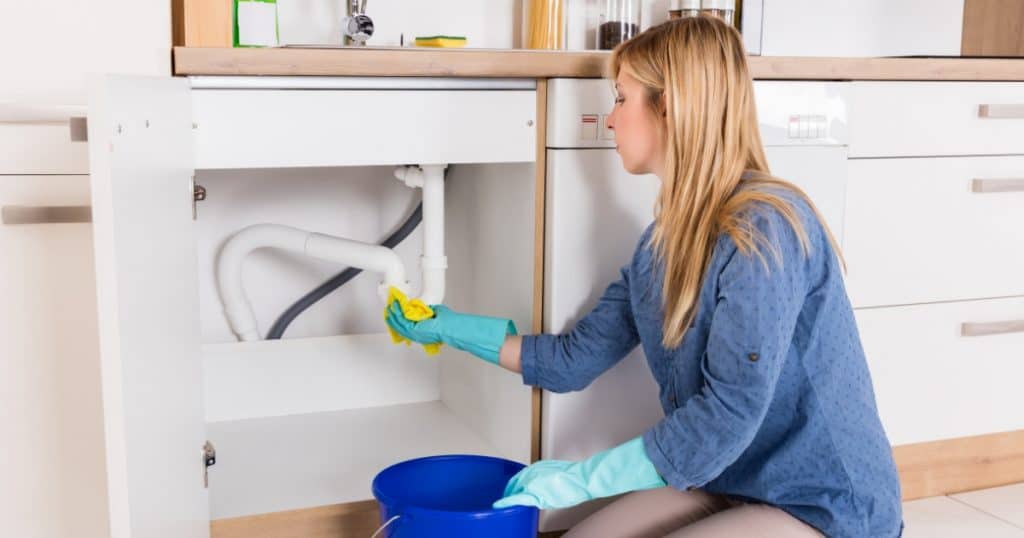
Preventive Tips to Reduce Sewer Line Cleaning Needs

Good habits reduce the need for frequent cleaning. Follow these tips:

  • Never pour grease or oil down drains

  • Do not flush wipes, even if labeled flushable

  • Install strainers to catch hair and food scraps

  • Space out laundry loads to avoid flooding the system

  • Consider root barriers if trees are near sewer lines

Preventive habits extend cleaning intervals and keep your plumbing reliable.

Local Expertise: Sewer Cleaning in Louisiana
Local Expertise: Sewer Cleaning in Louisiana

Louisiana presents unique challenges.

  • Soil conditions: Soft, shifting soil makes pipes vulnerable to root intrusion.

  • Older infrastructure: Cities like New Orleans have aging clay systems that need annual care.

  • Humidity and climate: Encourage faster buildup inside pipes.

Sewer Solutions has decades of experience handling Louisiana’s specific sewer problems. Local knowledge allows accurate scheduling and reliable cleaning methods.

FAQs About Sewer Line Cleaning

How often should a sewer line be cleaned in Louisiana?

Every 18 to 22 months for most homes, and yearly for older properties or tree-heavy areas.

Is hydro jetting safe for old pipes?

Hydro jetting is safe when performed by a licensed plumber. For fragile pipes, lower pressure or alternative methods may be used.

What happens if you never clean your sewer line?

Neglect leads to clogs, sewage backups, foul odors, and eventual pipe replacement.

How long does professional sewer cleaning take?

Most services take 1 to 3 hours depending on severity and cleaning method.

Sewer Line Cleaning Schedule and Next Steps
Sewer Line Cleaning Schedule and Next Steps

Keeping your sewer line clear is essential for preventing emergencies. Most properties need cleaning every 18 to 22 months, with older or high-use systems requiring annual service. Pay attention to early warning signs and act before problems escalate.

Sewer Solutions provides professional sewer line cleaning, inspections, and maintenance across Louisiana. Contact our team to schedule service and keep your plumbing running without interruption.

"*" indicates required fields

This field is for validation purposes and should be left unchanged.
Select all the problems you are experiencing with your sewer system:*
This field is hidden when viewing the form
When was the last time the septic tank was cleaned out?*

Many modern sewer systems, including ATUs, come with alarms that notify you of issues such as low air pressure or system malfunctions. If your alarm goes off:

  1. Do not ignore it. The alarm is designed to alert you to problems that may need professional attention.
  2. Contact a professional: Reach out to a licensed service provider or installer to inspect the system and perform necessary maintenance.

Recognizing the early signs of a failing sewer system can help you avoid costly repairs and health hazards. Look out for these common indicators:

  • Slow drains: If your sinks, showers, or toilets drain slowly, it may indicate a clog or backup in your septic system.
  • Unpleasant odors: Foul smells around the drain field, septic tank, or inside your home could mean there is a problem with the system.
  • Standing water or wet spots: If you notice soggy patches of ground near the septic tank or drain field, this could be a sign of overflow or system failure.
  • Backed-up sewage: A severe backup of sewage inside the house is a major red flag that your septic system is malfunctioning and needs immediate attention.
  • Lush green grass over the drain field: If the grass over your drain field is unusually green and lush, it may indicate an excess of untreated wastewater.

If you notice any of these symptoms, it’s important to call a professional sewer service provider for an inspection and possible repair.

As a sewer system owner, there are a few key responsibilities to ensure your system works properly and lasts longer:

  • Keep the area clear: Avoid placing vehicles, heavy equipment, or structures over your septic tank or ATU. Roots or pests (like fire ants) should be kept away from the system.
  • Monitor the system: Regularly check the system’s operation and make sure the control panel is functioning properly. If your system has an alarm, ensure it’s working and responds to malfunctions.
  • Avoid overloading: Use water efficiently, and avoid flushing non-biodegradable items or harmful chemicals (like bleach or disinfectants).
  • Professional service only: Always have licensed professionals perform inspections and repairs. Unauthorized servicing can cause damage or void your warranty.

Many modern sewer systems, including ATUs, come with alarms that notify you of issues such as low air pressure or system malfunctions. If your alarm goes off:

  1. Do not ignore it. The alarm is designed to alert you to problems that may need professional attention.
  2. Contact a professional: Reach out to a licensed service provider or installer to inspect the system and perform necessary maintenance.

The frequency of sewer system pumping depends on the type of system you have and how much water your household uses. Here are some general guidelines:

  • Septic tanks: Pump every 3-7 years, depending on your water usage and the size of your tank.
  • Aerobic Treatment Units (ATUs): These systems typically require less frequent pumping due to their more efficient treatment, but you may still need to pump every 5-10 years or as needed.


Regular maintenance checks are crucial. If you notice odors, slow drainage, or unusual discharges, it may be time for an inspection or pump-out.

For your sewer system to function efficiently, it’s important to use only approved products. Here’s a list of safe items for your system:

  • Household cleaners: It’s safe to use household cleaners in moderation, provided they follow the directions on the label. Avoid excessive use, especially with bleach or harsh chemicals.
  • Toilet paper: Only use biodegradable toilet paper designed for septic systems.
  • Laundry detergent: Use sewer-safe detergents in recommended amounts.


However, certain products should never go into your sewer system, including:

  1. Large amounts of bleach or disinfectants that kill bacteria
  2. Feminine hygiene products, diapers, and other non-biodegradable items
  3. Cooking oils, grease, coffee grounds, or shrimp shells
  4. Chemical drain cleaners
  5. Plastics, rubber, and large paper products


These items can harm the system’s bacteria or cause blockages, reducing efficiency and increasing maintenance needs.

Both Aerobic Treatment Units (ATUs) and septic tanks treat wastewater, but they use different methods:

  • Septic Tank: A septic tank relies on anaerobic bacteria (bacteria that do not require oxygen) to break down waste. The wastewater is held in the tank where solids settle, and liquids are filtered out. Over time, sludge builds up at the bottom of the tank, requiring periodic pumping.
  • Aerobic Treatment Unit (ATU): An ATU uses aerobic bacteria (bacteria that require oxygen) to break down organic waste. Air is pumped into the unit, promoting a more efficient biological process. This method results in cleaner effluent (treated wastewater) and often requires less frequent pumping.


Key Differences:

  • Aerobic systems (ATUs) are generally more efficient, producing cleaner treated water and requiring less maintenance.
  • Septic tanks are simpler but can require more frequent pumping and can produce less treated effluent.

"*" indicates required fields

This field is for validation purposes and should be left unchanged.
Select all the problems you are experiencing with your sewer system:*
This field is hidden when viewing the form
When was the last time the septic tank was cleaned out?*

"*" indicates required fields

This field is for validation purposes and should be left unchanged.
Select all of the problems you are experiencing with your sewer system.*

"*" indicates required fields

This field is for validation purposes and should be left unchanged.
What best describes this project?*