TLDR
Yes, too much toilet paper can clog a sewer line. While toilet paper is designed to dissolve, flushing large amounts at once or using thick paper can cause blockages, especially in older pipes, septic systems, or when there are pre-existing restrictions in the line. Proper flushing habits and timely maintenance prevent these issues.
Understanding How Sewer Lines Work
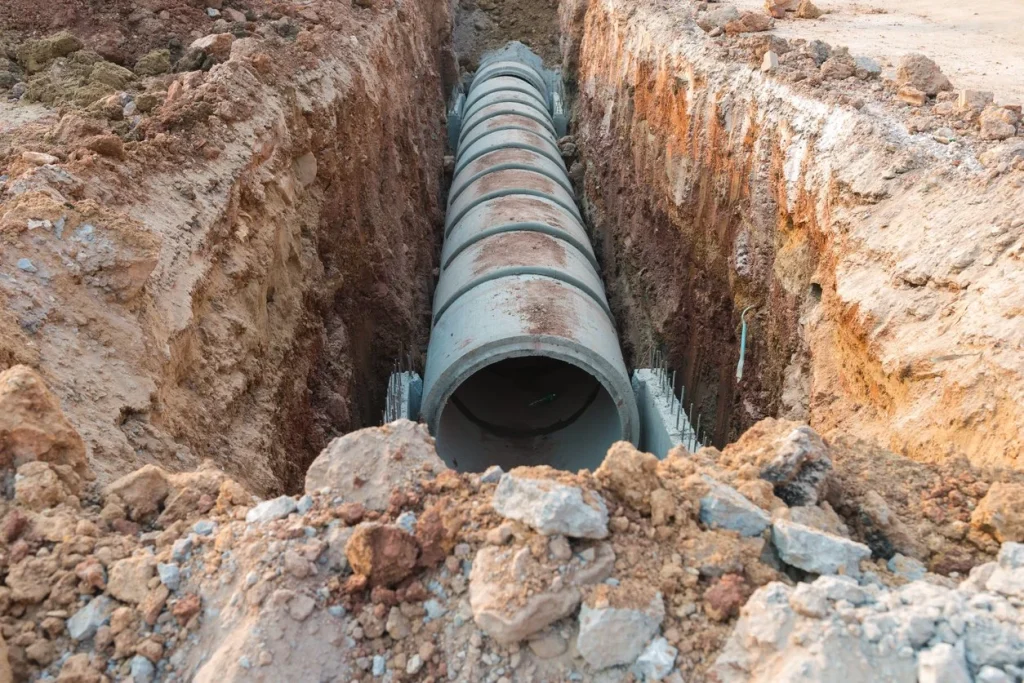
Your sewer line carries wastewater and toilet paper from your home to the city sewer or your septic tank.
When water flows freely, waste moves out quickly. When flow is restricted by debris, grease, tree roots, or collapsed sections, toilet paper builds up and creates a clog.
Sewer Solutions has seen this progression in many homes, especially in older neighborhoods where pipes are narrower or weakened.
How Toilet Paper Breaks Down in Water
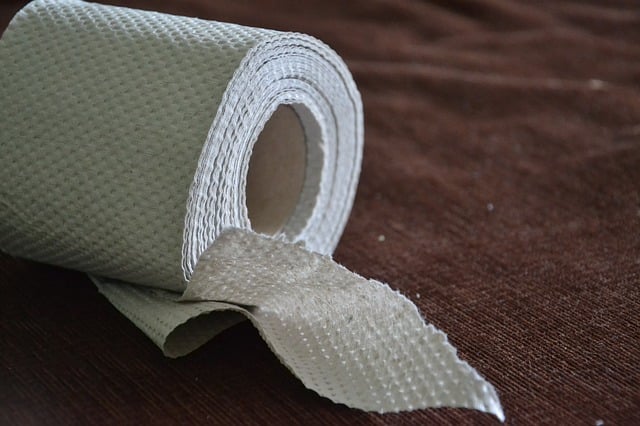
Toilet paper is made to dissolve, but not all products break down the same way.
- Single-ply toilet paper dissolves faster and is safer for septic systems.
- Two-ply and luxury toilet paper are softer but slower to dissolve.
- Non-flushable paper products like tissues or paper towels do not dissolve and cause major blockages.
Biodegradable or septic-safe toilet paper breaks down more efficiently. This is important if your home has a septic tank. Sewer Solutions often recommends switching to septic-safe brands for customers who experience frequent clogs.
Can Flushing Too Much Toilet Paper Really Cause a Clog?
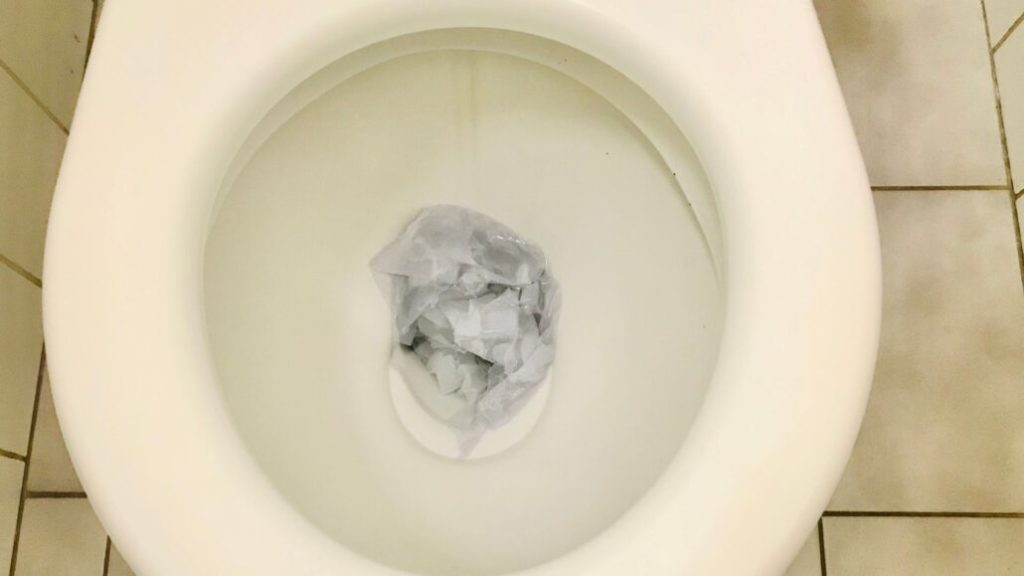
Yes, flushing excessive amounts of toilet paper at once creates a wad that water struggles to push through the line.
At first, water slows. Over time, the paper collects more waste and debris until the line is blocked.
What starts as a slow flush often becomes a complete backup into sinks, tubs, or floor drains. Sewer Solutions technicians often explain to homeowners that this is not an instant problem but a gradual one that worsens without intervention.
Signs of a Sewer Line Clogged by Toilet Paper
You should look for early warning signs before the problem escalates.
- Toilet water drains slowly
- Gurgling noises in other drains when you flush
- Water backing up in the shower or tub after toilet use
- Persistent foul odors near drains or yard cleanouts
When these signs appear, the issue is more than a simple toilet clog. The blockage has moved into the main line, and professional help is needed.
Risks of Ignoring a Toilet Paper Sewer Line Clog
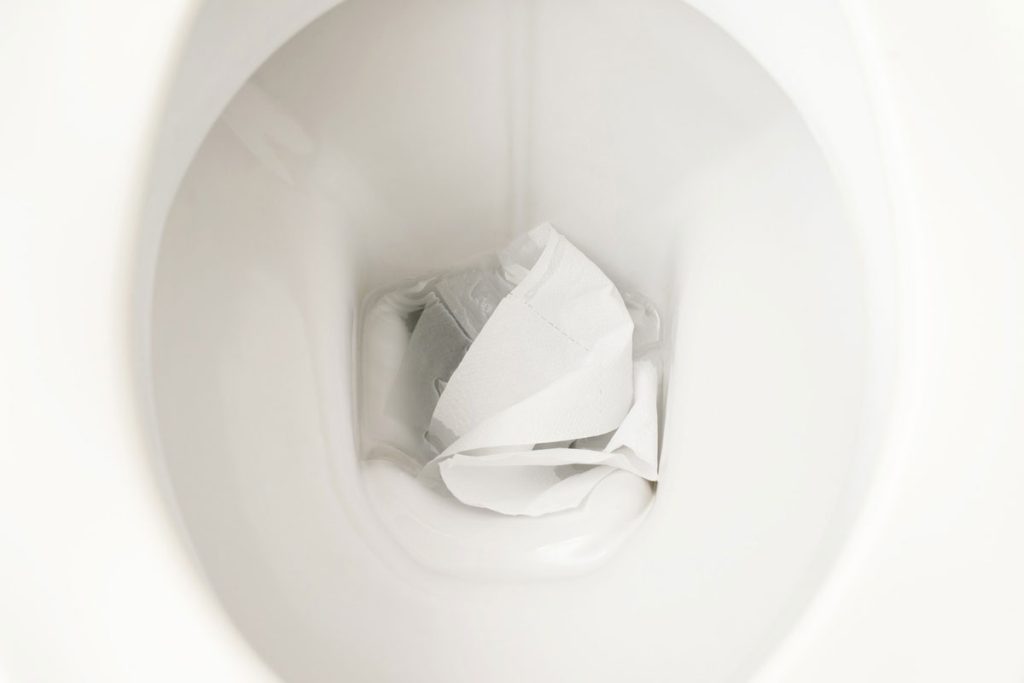
Ignoring a toilet paper clog can create bigger issues than an inconvenience.
- Wastewater can back up into your home, causing damage
- Pressure inside the pipe can cause cracks or breaks
- Contamination from sewage poses health risks
- Repairs become more expensive the longer the blockage sits
Sewer Solutions has seen small blockages turn into major sewer repairs costing thousands. Early attention saves time, money, and stress.
Preventing Toilet Paper Clogs in Sewer Lines
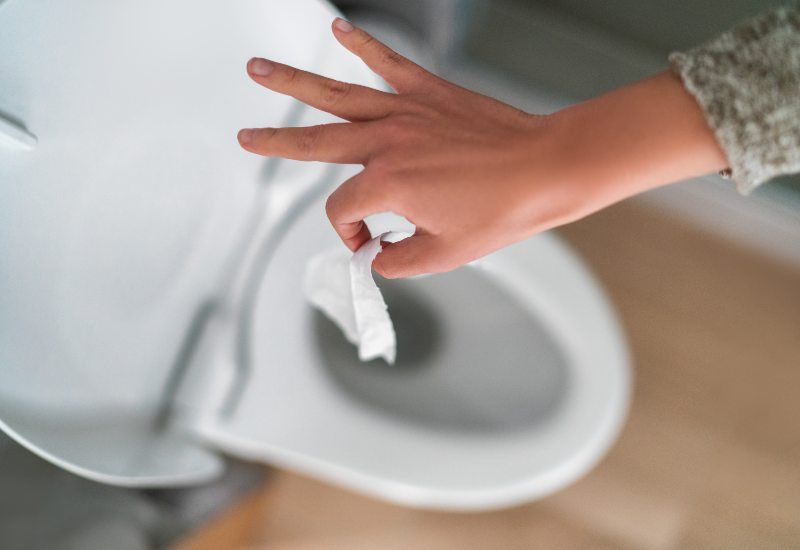
You can prevent most toilet paper-related clogs by adopting smart habits.
- Use septic-safe toilet paper
- Flush smaller amounts at a time
- Teach children proper flushing habits
- Consider installing a bidet to reduce paper use
- Do not flush paper towels, wipes, or feminine products
Many homeowners ask about “flushable wipes.” Despite the label, these do not break down like toilet paper and cause severe clogs. Sewer Solutions often removes wipes that have hardened into blockages inside pipes.
Professional Solutions for Toilet Paper Sewer Line Clogs
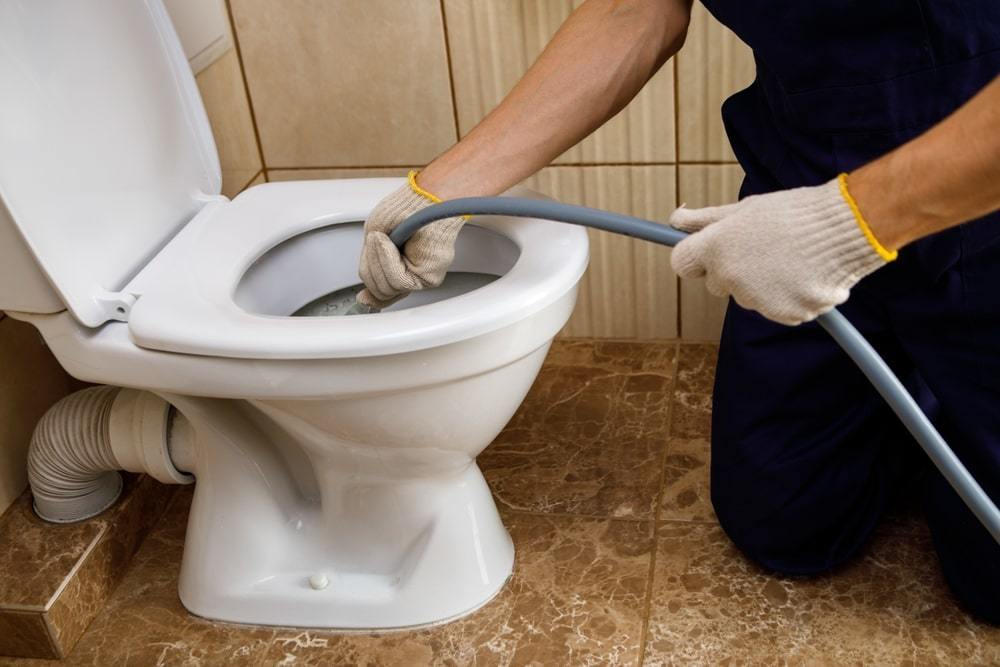
Some small clogs can be cleared with a plunger or toilet auger. Enzyme cleaners can also help keep pipes clear, but these do not remove major blockages.
Professional plumbers use specialized tools:
- Drain snakes to break up blockages
- Hydro jetting to clear pipes with high-pressure water
- Camera inspections to locate and verify the clog
Sewer Solutions uses hydro jetting frequently in Louisiana homes because it restores the full diameter of the pipe, not just a small opening. This prevents repeat clogs. In severe cases where the pipe is cracked or collapsed, replacing a sewer line becomes the only long-term solution to restore proper flow and prevent ongoing backups.
Cost of Fixing a Sewer Line Clogged by Toilet Paper
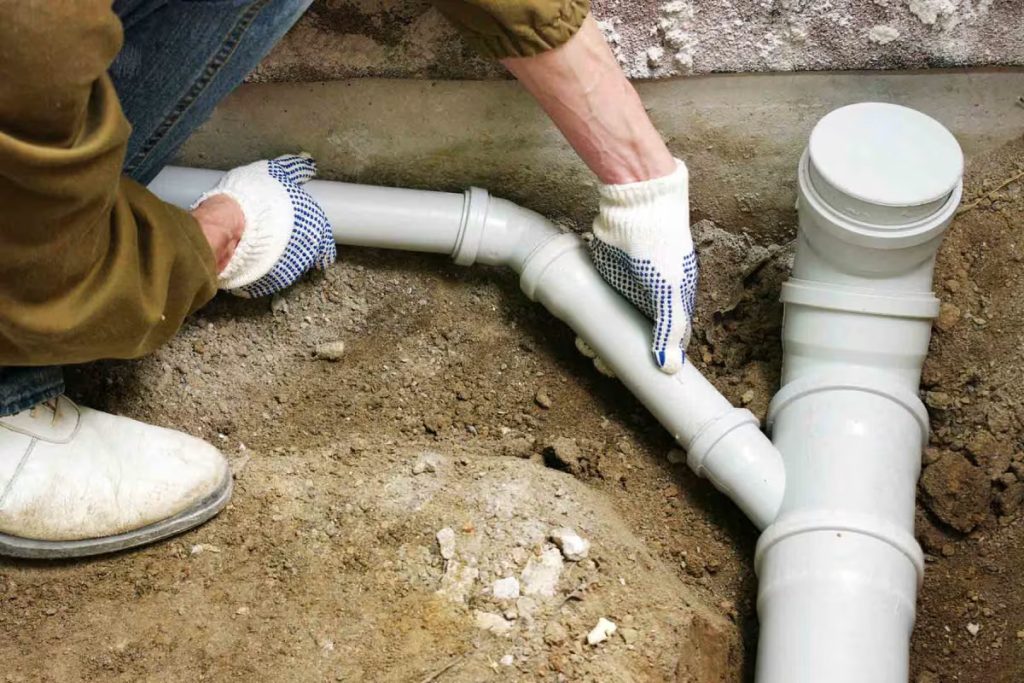
The cost depends on the severity of the clog and method used. In Louisiana, common ranges include:
- $150 to $500 for drain snaking
- $300 to $800 for hydro jetting
- Several thousand dollars if the pipe requires excavation and replacement
Preventive maintenance, such as periodic camera inspections, reduces the risk of expensive emergencies. Sewer Solutions offers inspection services that help identify weak points before they turn into costly repairs.
FAQs About Toilet Paper and Sewer Lines
What type of toilet paper is best for septic systems?
Single-ply or septic-safe toilet paper dissolves quickly and prevents buildup.
Can flushable wipes clog a sewer line too?
Yes, wipes do not break down like toilet paper and often create harder clogs.
Is it safe to flush paper towels or tissues?
No, these are not designed to dissolve and cause immediate blockages.
How often should sewer lines be inspected?
Every 2 to 3 years, or sooner if you experience repeated slow drains or backups.
Expert Advice from Sewer Solutions
Too much toilet paper does clog sewer lines, especially when combined with pre-existing issues or poor flushing habits. The safest approach is prevention through smart toilet paper use and routine maintenance.
If you notice warning signs of a blockage, contact Sewer Solutions before the problem escalates. Professional equipment and expertise ensure your sewer line is restored quickly and safely.
By practicing better habits and scheduling regular inspections, you protect your home, save money, and keep your plumbing system working efficiently.