How Much Does It Cost To Unclog Sewer Line (City)

Table of Contents

TLDR

The cost to unclog a sewer line in (City) typically ranges from $150 to $800. Minor clogs cleared with snaking are on the lower end, while severe blockages needing hydro jetting, camera inspections, or emergency calls increase the price. Always factor in local plumber rates and service availability.

Average Cost to Unclog a Sewer Line in (City)
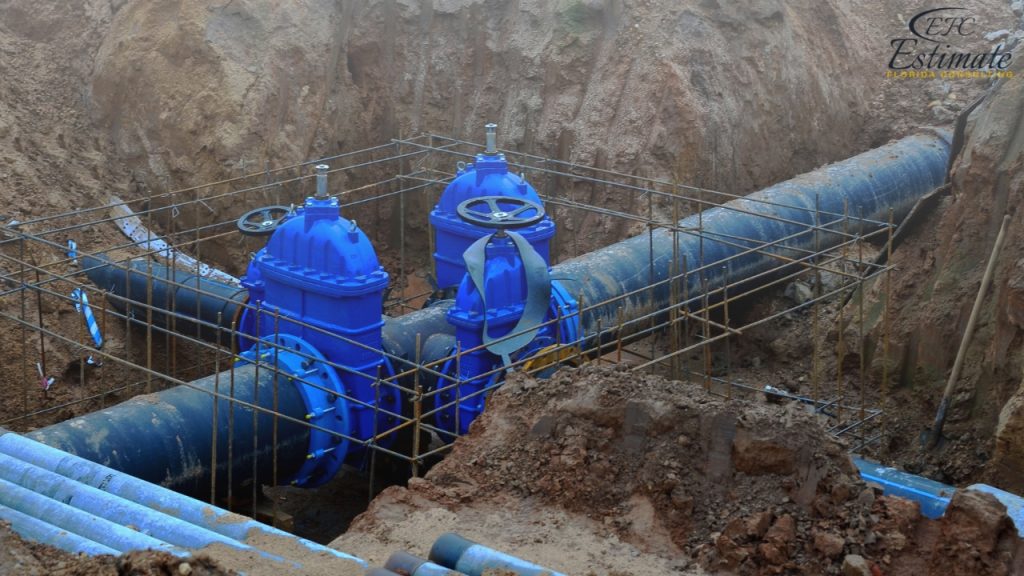
Average Cost to Unclog a Sewer Line in (City)

In (City), the average cost to unclog a sewer line falls between $150 and $800. The price depends on the method used, the severity of the clog, and the plumber you hire.

Nationally, costs are similar, but local plumber rates in Louisiana often lean toward the higher side because of demand and the age of infrastructure in some neighborhoods.

Breakdown of common services:

  • Snaking: $100 to $250
  • Hydro jetting: $300 to $600
  • Camera inspection: $150 to $400
  • Emergency calls: $500+

Sewer Solutions advises homeowners to request a detailed quote before scheduling service to avoid surprises.

Key Factors That Affect Sewer Line Unclogging Costs
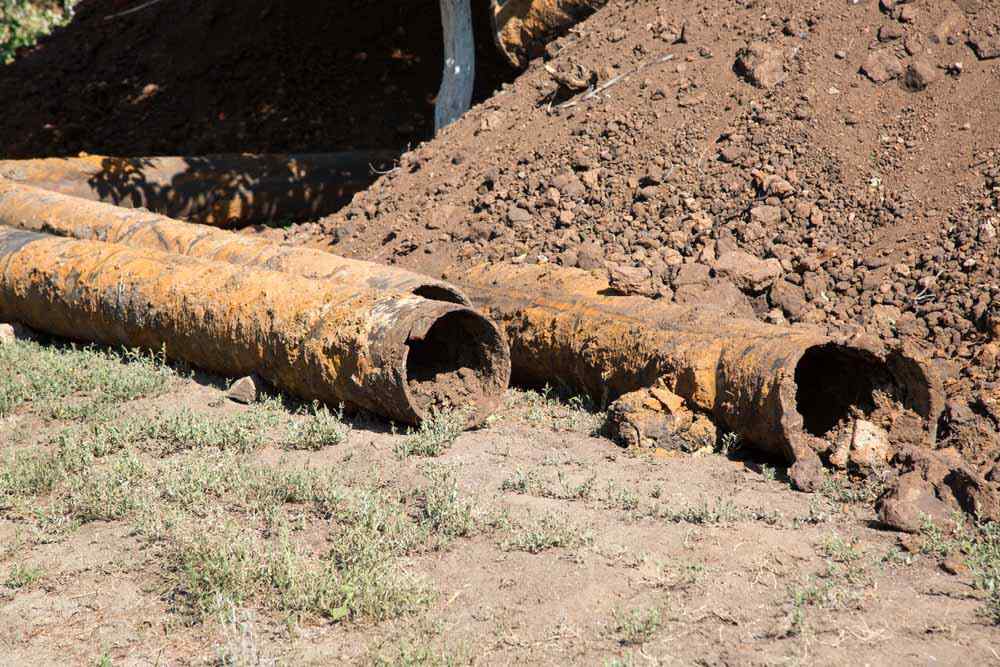
Key Factors That Affect Sewer Line Unclogging Costs

Several factors influence the total cost of unclogging your sewer line in (City).

  • Length and accessibility of line – Longer or buried lines take more time and specialized tools.


  • Type of clog – Grease is easier to clear than tree roots. Roots require hydro jetting or even partial pipe replacement.


  • Pipe material – PVC pipes are easier to work with than clay or cast iron. Older materials often need more care.


  • Timing – Emergency calls at night, weekends, or holidays increase the bill.


  • Local plumber rates – Prices vary between companies. In (City), competitive rates range from $90 to $150 per hour.


Sewer Solutions has seen all types of clogs. From grease buildup in newer homes to invasive tree roots in older clay lines, each situation requires a unique approach.

Sewer Line Cleaning Methods and Their Costs
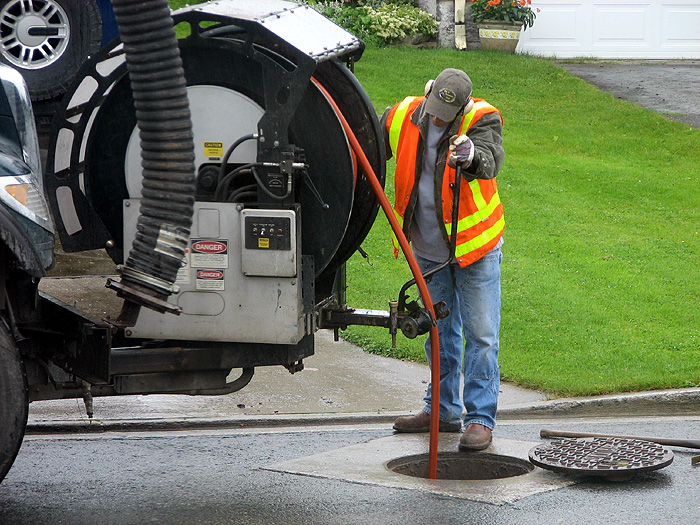
Sewer Line Cleaning Methods and Their Costs

Snaking a Sewer Line

Snaking is the most common method for minor clogs. A flexible auger pushes through blockages and restores flow.

  • Best for small obstructions close to the house

  • Usually takes less than an hour

  • Cost in (City): $100 to $250

Hydro Jetting

Hydro jetting uses high-pressure water to clear grease, roots, and heavy buildup. It cleans the pipe walls thoroughly, leaving them almost like new.

  • Effective for tree roots and heavy grease

  • Requires special equipment and trained technicians

  • Cost in (City): $300 to $600

Camera Inspection Add-Ons

Camera inspections identify the clog’s exact location and condition of the pipe. Many plumbers recommend it for recurring problems.

  • Helps prevent guesswork

  • Reveals cracks, root intrusion, or pipe collapse

  • Cost in (City): $150 to $400

Sewer Solutions often pairs hydro jetting with a camera inspection to ensure the problem does not return.

Signs You Need Sewer Line Cleaning in (City)
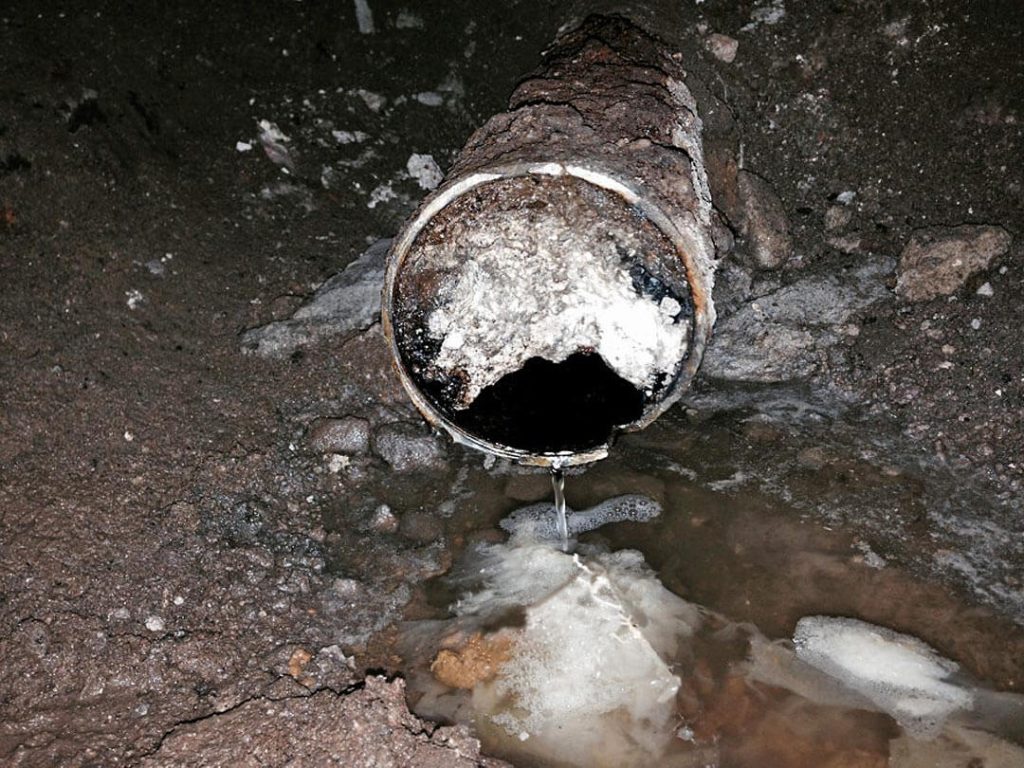
Signs You Need Sewer Line Cleaning in (City)

Watch for these warning signs in your home:

  • Multiple slow drains at once


  • Gurgling sounds in pipes


  • Foul odors from sinks or tubs


  • Water backing up in toilets or showers


Ignoring these signs risks a complete backup, which is more costly and inconvenient. If you notice them, schedule service with a trusted provider like Sewer Solutions. Regular cleaning your sewer line not only solves current issues but also prevents future blockages, saving you money and stress.

DIY vs Professional Sewer Line Cleaning
DIY vs Professional Sewer Line Cleaning

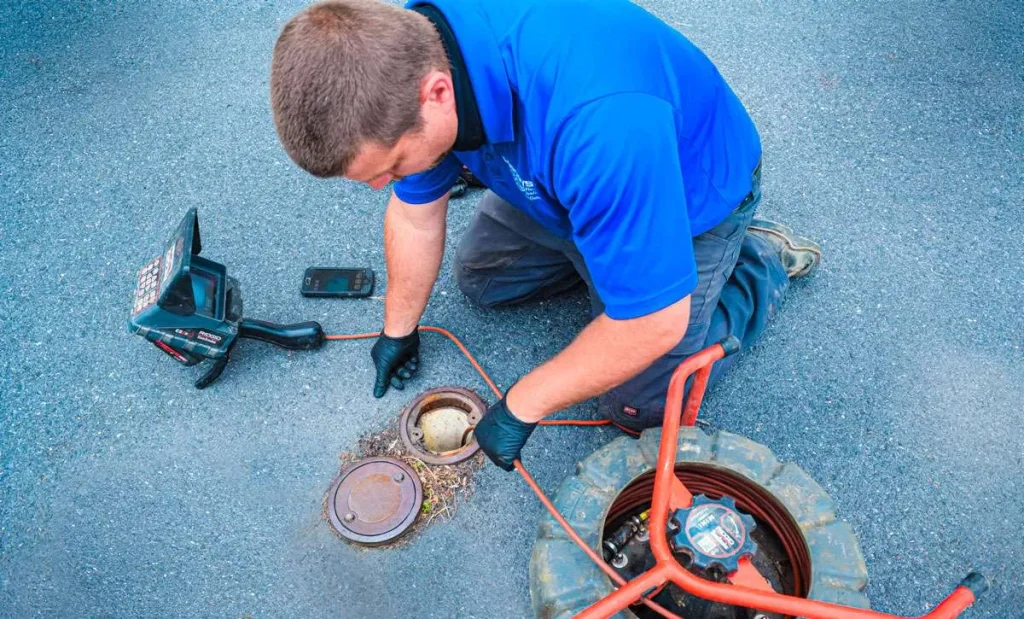
Some homeowners try to clear clogs themselves. Drain cleaners and small snakes are common tools. While inexpensive, they often provide only temporary relief and can damage pipes if used improperly.

Professional cleaning:

  • Uses advanced tools like hydro jetters and inspection cameras

  • Ensures long-term solutions

  • Costs more upfront but saves money by avoiding pipe damage

DIY costs are usually under $50 for supplies. Professional services in (City) range from $150 to $800, but the reliability and safety outweigh the risks of DIY attempts.

Emergency Sewer Line Services in (City)
Emergency Sewer Line Services in (City)

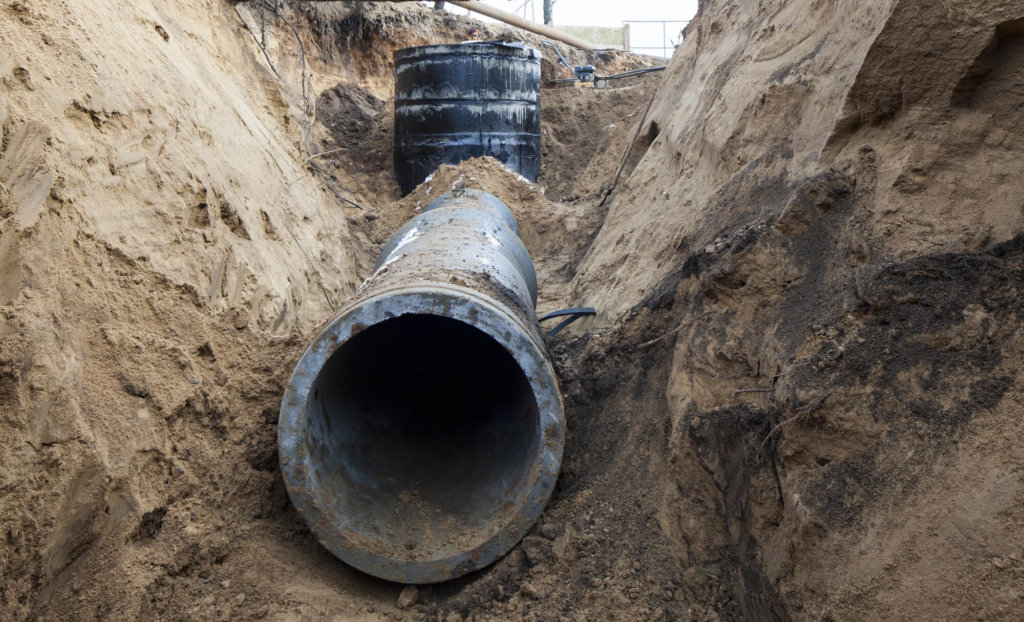
When a sewer backs up at night or during a holiday, costs rise. Emergency sewer line cleaning in (City) often starts at $500 and can exceed $1,000 for severe cases.

Reasons for higher charges:

  • After-hours rates


  • Immediate technician availability


  • Need for specialized equipment


Sewer Solutions provides 24/7 emergency service to ensure homeowners are never left dealing with sewage backups alone.

Sewer Line Replacement vs Unclogging Costs
Sewer Line Replacement vs Unclogging Costs

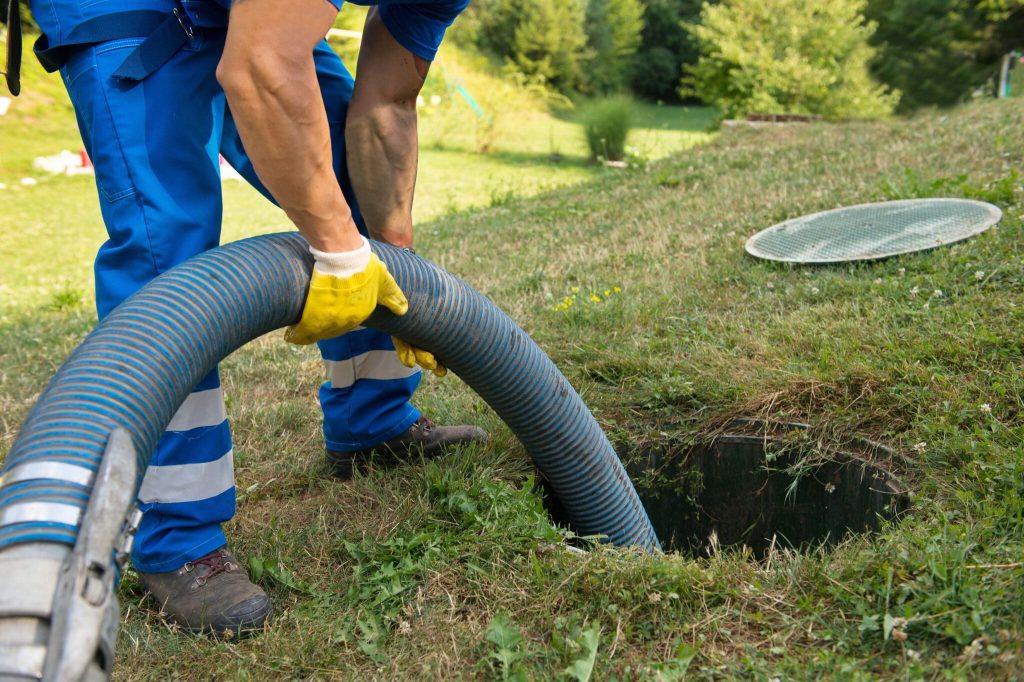
Sometimes, recurring clogs signal deeper damage. A pipe may be collapsed, corroded, or beyond repair.

  • Unclogging costs: $150 to $800


  • Replacement costs in Louisiana: $3,000 to $7,000, depending on length and method


Trenchless sewer replacement is often less disruptive and may reduce long-term costs. A camera inspection helps decide if unclogging is enough or replacement is necessary.

How to Prevent Future Sewer Line Clogs
How to Prevent Future Sewer Line Clogs

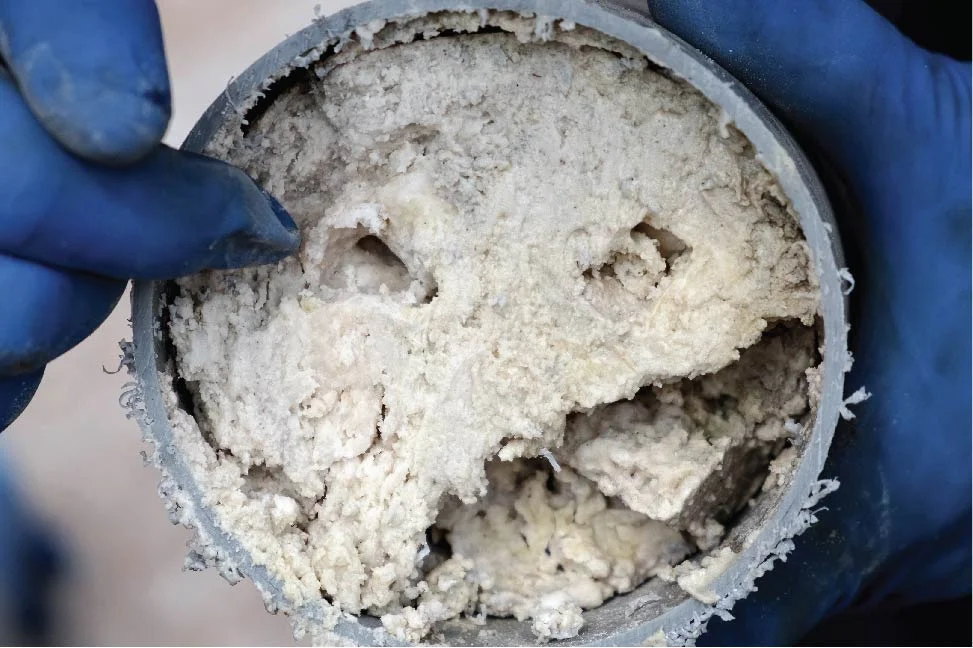
Preventing clogs saves money and stress. Simple steps include:

  • Schedule annual cleaning and inspections

  • Avoid flushing wipes, grease, or hygiene products

  • Plant trees away from sewer lines to reduce root intrusion

  • Use strainers in sinks and tubs

Sewer Solutions recommends regular maintenance to avoid costly emergencies.

Choosing the Right Plumber in (City)
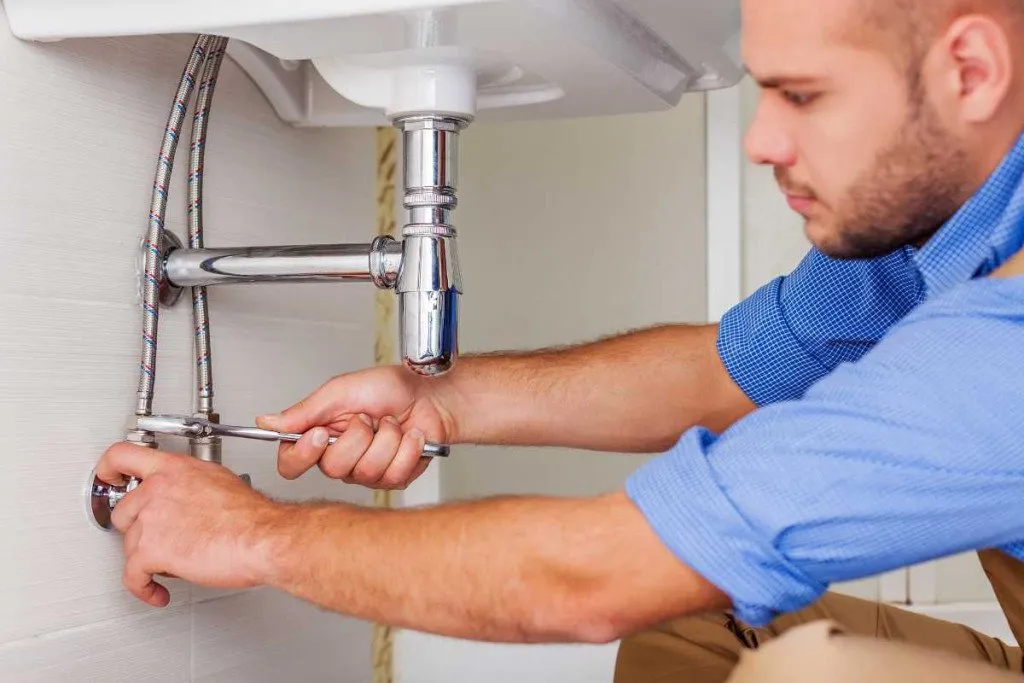
Choosing the Right Plumber in (City)

The plumber you hire directly impacts cost and quality. Look for:

  • Proper licensing and insurance

  • Experience with sewer line cleaning

  • Transparent pricing with written estimates

  • Availability for emergency service

Many companies offer online estimates, making it easier to compare. Sewer Solutions stands out in (City) with clear pricing, skilled technicians, and reliable service.

Sewer Cleaning Cost Overview in (City)
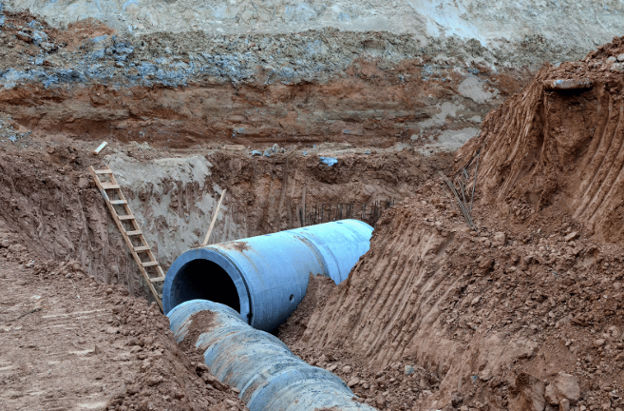
Sewer Cleaning Cost Overview in (City)

Unclogging a sewer line in (City) ranges from $150 to $800. Snaking works for simple clogs, hydro jetting handles severe blockages, and camera inspections add accuracy. Emergency services and replacement raise the price.

Timely cleaning prevents costly repairs and protects your home from messy backups. Trust Sewer Solutions for professional sewer line services that keep your plumbing working safely and efficiently.

"*" indicates required fields

This field is for validation purposes and should be left unchanged.
Select all the problems you are experiencing with your sewer system:*
This field is hidden when viewing the form
When was the last time the septic tank was cleaned out?*

Many modern sewer systems, including ATUs, come with alarms that notify you of issues such as low air pressure or system malfunctions. If your alarm goes off:

  1. Do not ignore it. The alarm is designed to alert you to problems that may need professional attention.
  2. Contact a professional: Reach out to a licensed service provider or installer to inspect the system and perform necessary maintenance.

Recognizing the early signs of a failing sewer system can help you avoid costly repairs and health hazards. Look out for these common indicators:

  • Slow drains: If your sinks, showers, or toilets drain slowly, it may indicate a clog or backup in your septic system.
  • Unpleasant odors: Foul smells around the drain field, septic tank, or inside your home could mean there is a problem with the system.
  • Standing water or wet spots: If you notice soggy patches of ground near the septic tank or drain field, this could be a sign of overflow or system failure.
  • Backed-up sewage: A severe backup of sewage inside the house is a major red flag that your septic system is malfunctioning and needs immediate attention.
  • Lush green grass over the drain field: If the grass over your drain field is unusually green and lush, it may indicate an excess of untreated wastewater.

If you notice any of these symptoms, it’s important to call a professional sewer service provider for an inspection and possible repair.

As a sewer system owner, there are a few key responsibilities to ensure your system works properly and lasts longer:

  • Keep the area clear: Avoid placing vehicles, heavy equipment, or structures over your septic tank or ATU. Roots or pests (like fire ants) should be kept away from the system.
  • Monitor the system: Regularly check the system’s operation and make sure the control panel is functioning properly. If your system has an alarm, ensure it’s working and responds to malfunctions.
  • Avoid overloading: Use water efficiently, and avoid flushing non-biodegradable items or harmful chemicals (like bleach or disinfectants).
  • Professional service only: Always have licensed professionals perform inspections and repairs. Unauthorized servicing can cause damage or void your warranty.

Many modern sewer systems, including ATUs, come with alarms that notify you of issues such as low air pressure or system malfunctions. If your alarm goes off:

  1. Do not ignore it. The alarm is designed to alert you to problems that may need professional attention.
  2. Contact a professional: Reach out to a licensed service provider or installer to inspect the system and perform necessary maintenance.

The frequency of sewer system pumping depends on the type of system you have and how much water your household uses. Here are some general guidelines:

  • Septic tanks: Pump every 3-7 years, depending on your water usage and the size of your tank.
  • Aerobic Treatment Units (ATUs): These systems typically require less frequent pumping due to their more efficient treatment, but you may still need to pump every 5-10 years or as needed.


Regular maintenance checks are crucial. If you notice odors, slow drainage, or unusual discharges, it may be time for an inspection or pump-out.

For your sewer system to function efficiently, it’s important to use only approved products. Here’s a list of safe items for your system:

  • Household cleaners: It’s safe to use household cleaners in moderation, provided they follow the directions on the label. Avoid excessive use, especially with bleach or harsh chemicals.
  • Toilet paper: Only use biodegradable toilet paper designed for septic systems.
  • Laundry detergent: Use sewer-safe detergents in recommended amounts.


However, certain products should never go into your sewer system, including:

  1. Large amounts of bleach or disinfectants that kill bacteria
  2. Feminine hygiene products, diapers, and other non-biodegradable items
  3. Cooking oils, grease, coffee grounds, or shrimp shells
  4. Chemical drain cleaners
  5. Plastics, rubber, and large paper products


These items can harm the system’s bacteria or cause blockages, reducing efficiency and increasing maintenance needs.

Both Aerobic Treatment Units (ATUs) and septic tanks treat wastewater, but they use different methods:

  • Septic Tank: A septic tank relies on anaerobic bacteria (bacteria that do not require oxygen) to break down waste. The wastewater is held in the tank where solids settle, and liquids are filtered out. Over time, sludge builds up at the bottom of the tank, requiring periodic pumping.
  • Aerobic Treatment Unit (ATU): An ATU uses aerobic bacteria (bacteria that require oxygen) to break down organic waste. Air is pumped into the unit, promoting a more efficient biological process. This method results in cleaner effluent (treated wastewater) and often requires less frequent pumping.


Key Differences:

  • Aerobic systems (ATUs) are generally more efficient, producing cleaner treated water and requiring less maintenance.
  • Septic tanks are simpler but can require more frequent pumping and can produce less treated effluent.

"*" indicates required fields

This field is for validation purposes and should be left unchanged.
Select all the problems you are experiencing with your sewer system:*
This field is hidden when viewing the form
When was the last time the septic tank was cleaned out?*

"*" indicates required fields

This field is for validation purposes and should be left unchanged.
Select all of the problems you are experiencing with your sewer system.*

"*" indicates required fields

This field is for validation purposes and should be left unchanged.
What best describes this project?*